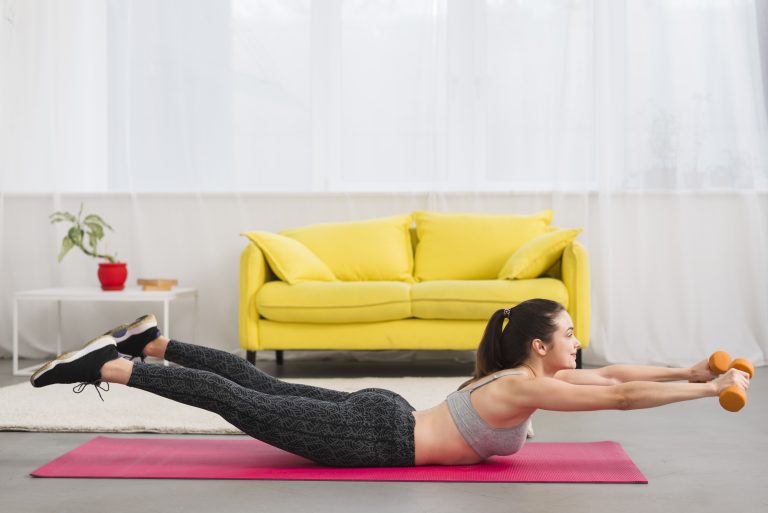
When it comes to lower body fitness, the focus often falls heavily on the quads or the gluteus maximus. However, if you are looking to achieve a balanced, sculpted silhouette and improve your functional movement, paying attention to your hips and outer thighs is essential.
The outer thigh area, often referred to as the abductors, consists of several muscles including the gluteus medius, gluteus minimus, and the tensor fasciae latae. Strengthening these isn’t just about aesthetics; it’s about stability. Whether you are a seasoned athlete or someone looking to stay active during a pregnancy prep fitness journey, strong hips are the foundation of healthy movement.
In this guide, we will break down the best strategies for toning this area, managing common discomforts, and providing a routine you can start today.
Why Focus on the Hips and Outer Thighs?
The muscles on the side of your hips are responsible for moving your leg away from your body and rotating the leg at the hip joint. Weakness in this area can lead to a variety of issues, including a nagging pain in outer thigh and hip regions. This is frequently caused by the larger muscle groups overcompensating for weaker stabilisers.
By incorporating a dedicated hip muscle workout, you aren’t just toning; you are protecting your knees and lower back. For those who enjoy running or high-impact HIIT, maintaining hip strength is the best way to prevent injury and improve power output.
The Role of Flexibility and Recovery
You cannot build a toned physique on a foundation of tightness. If your muscles are constantly shortened and locked, they cannot fire effectively during your workouts. This is why stretches for hip pain and general mobility work are just as important as the exercises themselves.
If you are a runner, you likely know the feeling of tight IT bands or stiff joints. Regularly performing hip stretching exercises for runners, such as the pigeon stretch or a kneeling lunge, ensures that your joints maintain a full range of motion. Furthermore, knowing how to stretch your hip flexors correctly can alleviate the pelvic tilt that often makes the outer thigh area appear less toned than it actually is.
Your Step-by-Step Outer Thigh and Hip Routine
This routine is designed to be done at home or in the gym. For the best results, we recommend using equipment from the Supfit Shop to add that extra level of resistance.
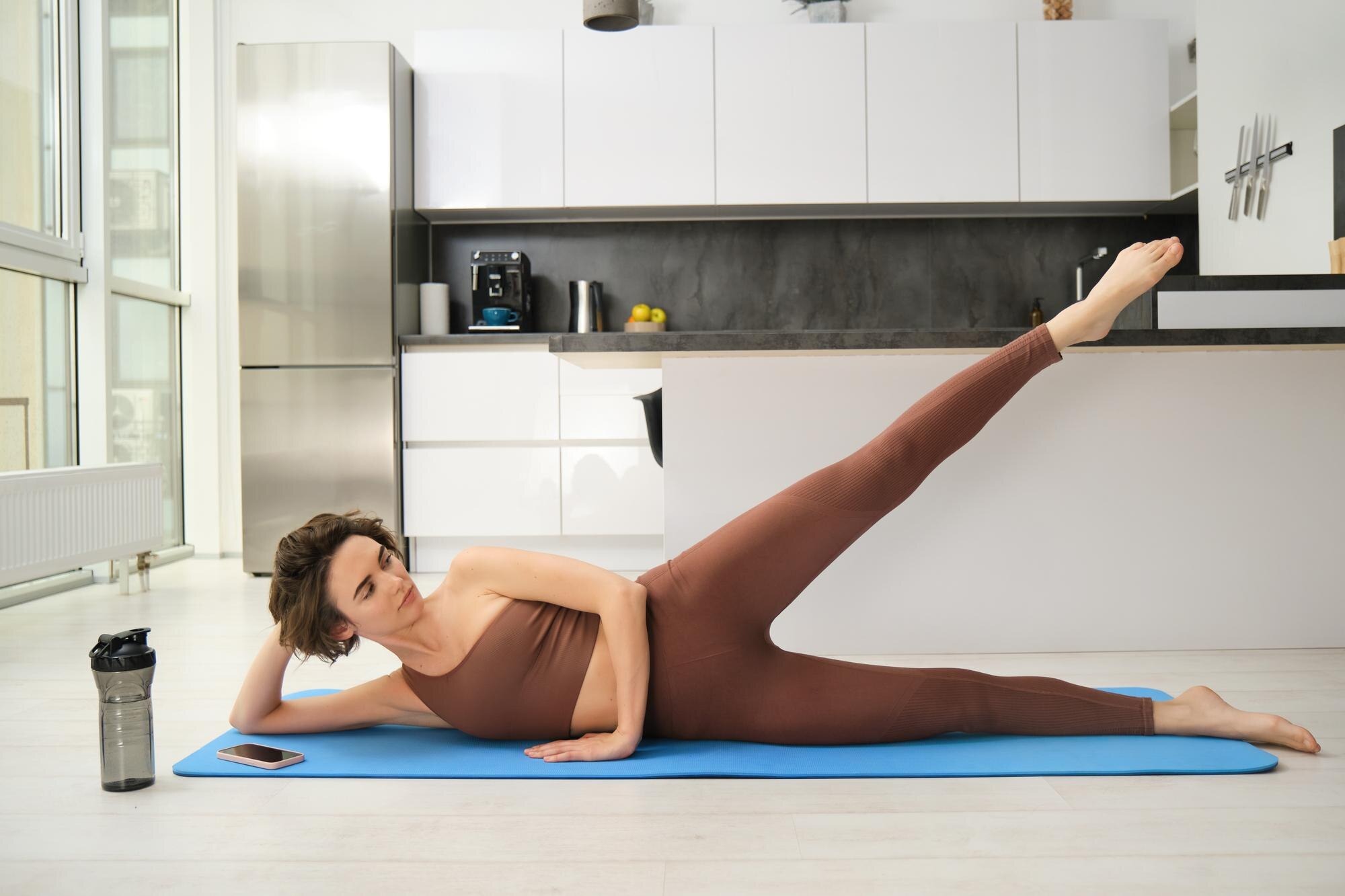
1. Side-Lying Leg Raises
Lie on your side with your legs straight. Lift your top leg toward the ceiling, keeping your toes pointed forward rather than upward. Hold for a second at the top and lower slowly.
- Target: Gluteus medius and minimus.
2. Clamshells
While lying on your side, bend your knees at a 45-degree angle. Keep your feet together and lift your upper knee as high as possible without shifting your pelvis. To level this up, use resistance band stretching exercises by placing a small loop band just above your knees.
3. Curtsy Lunges
Stand with feet hip-width apart. Step your left leg back and across your right leg, bending both knees as if you are performing a curtsy. Keep your torso upright.
- Target: This is one of the premier exercises for the outer thighs as it hits the angle that standard lunges miss.
4. Fire Hydrants
On all fours, keep your knee bent at 90 degrees and lift one leg out to the side. Avoid leaning your weight onto the supporting side. This move is deceptively difficult but incredibly effective for hip contouring.
5. Lateral Band Walks
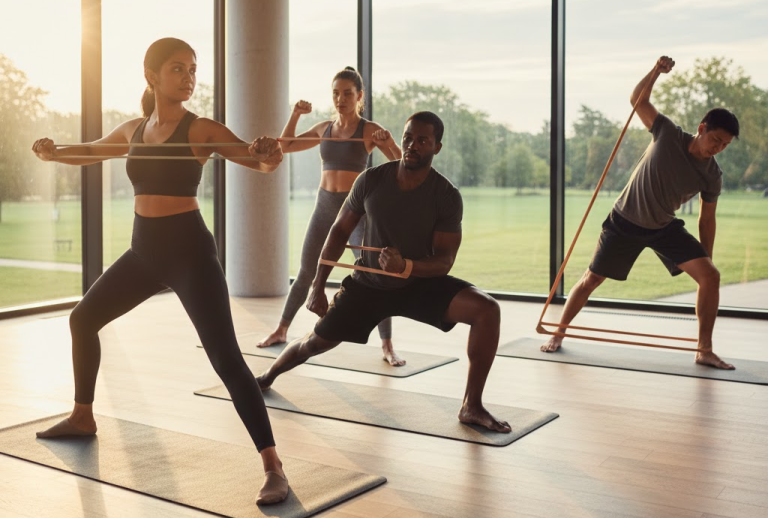
Place a resistance band around your ankles or just above your knees. Take small, controlled steps to the side in a half-squat position. This constant tension is what builds that toned look.
Managing Aches: Stretches for the Outer Thigh
After a workout, or even after a long day of sitting at a desk, your hips need release. If you experience a dull ache, hip pain stretches like the Figure Four stretch can be a lifesaver. Cross one ankle over the opposite knee and gently pull your thigh toward your chest.
Additionally, a Standing IT Band Stretch, where you cross one leg behind the other and lean away from the back leg, helps release the tension in the IT band area.
Consistency is Key
Toning takes time. You shouldn’t expect to see a total transformation overnight, but by staying consistent, you will notice improved stability and a firmer feel within four to six weeks. Remember that your nutrition and overall activity levels play a massive role too. If you’re struggling to keep the momentum going, check out our tips for staying motivated to help you stick to your goals.
Your hips and thighs carry you through life. By giving them the attention they deserve through targeted exercise and dedicated stretching, you’ll not only look better but move with more confidence and less pain.